
現状 フェイク™

現状 フェイク™
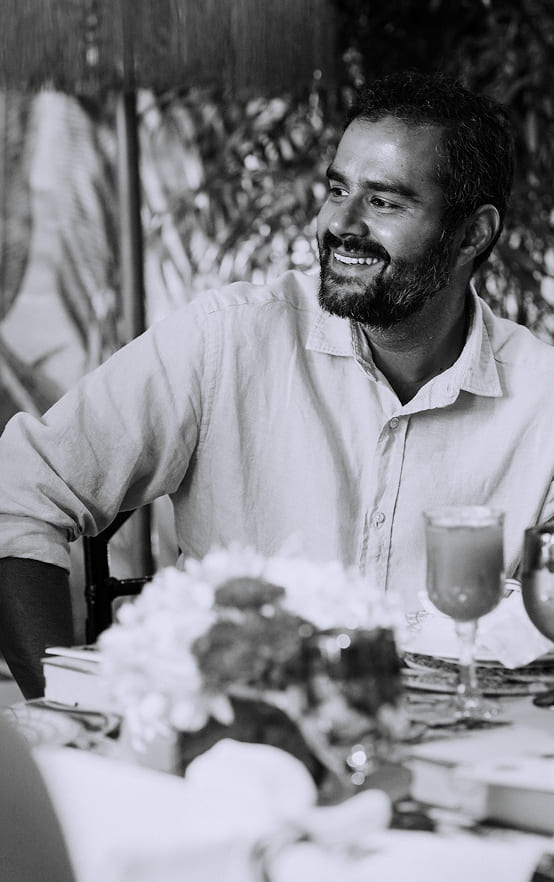
のCEO、ヴィディユスからの手紙
AI。今日では誰もがその話題を口にしています。しかし、私たちが偽造品対策として、スケーラブルで堅牢なソリューションを構築しようと旅を始めた当時、現在のLLMやエージェント、そしてそれらが意思決定を行う能力など、夢の中にしか存在しませんでした。AIを構築するためのインフラが整っていなかったため、私たちは偽造品 データ収集方法だけでなく、独自のモデルやデータスキーマ、アノテーションツールの構築、さらにはサポート対象製品に関するcore についても学ぶ必要がありました。この経験は、一つの問題を解決AI 、かつそれを卓越して遂行できるAI 構築する上で、10年以上にわたる貴重な知見をもたらし、私たちに多大な助けとなりました。 この新世代AI 、ソリューションをより迅速に開発し、お客様が収益を増やし、時間を節約し、そして何よりも信頼性を維持できるよう支援する私たちの能力を飛躍的にAI 。私たちはAI 早期導入企業であることを誇りに思っておりAI AI および業界全体AI 未来に大きな期待を寄せています。
AIにおいて、消費者、企業、ブランド、さらには政府に至るまで、信頼への需要が高まったことが、当社の成長を後押ししてきました。2025年には、37億ドル相当の商品を処理し、市場全体での成長が加速していることを示しています。また、サービス対象をアパレル アクセサリーアパレル 拡大しましたが、これらはこれまでで最も偽造品が出回っている商品となりつつあります。 また、お客様から長年にわたり寄せられていたニーズに応える形で、MarketEdgeを提供いたしました。これにより、お客様は商品を即座かつ正確に識別、格付け、価格設定できるようになりました。これは在庫管理のあり方を一変させ、長期的には市場の価値や流通速度にも影響を与える可能性があります。 消費者の信頼は、透明性と一貫性によってのみ築かれるものであり、私たちは鑑定 のたびに鑑定 鑑定書を通じてその信頼を勝ち取ってきたことを誇りに思います。これらの鑑定書は現在、世界中のほぼすべての国際空港で閲覧・入手可能となっています!
年が経つにつれ、需要のある実物商品があれば、そのすぐそばで偽造品 という傾向が見られるようになりました。偽造品 急速化していることで、規制の及ばない市場だけでなく、規制された市場においても、さらに不信感が高まっています。その証拠として、信頼できるサプライチェーンで知られる小売業者の多くが、自社のサプライチェーンと評判を守るために奔走している状況が見られます。
今回のSOTFでは、偽造業者の手口や、私たちが共に身を守るために何ができるかについて、重要な知見をいくつかご紹介したいと思います。また、信頼される企業であるという私たちの理念に基づき、Entrupy 誤ったEntrupy 場合の対応についても、皆様にご理解いただきたく存じます。本記事が皆様のお役に立てれば幸いです。いつもご支援いただき、誠にありがとうございます!

ヴィディユート・スリニヴァサン
Entrupy 代表取締役社長
拡張性AIソリューション
製品鑑定 向け鑑定
いつでも、どこでも。
Entrupy ニューヨークに本社を置くテクノロジー企業Entrupy 、AI 鑑定 。 このソリューションは、あらゆる規模の企業の在庫やサプライチェーンを保護するために、柔軟に拡張可能です。
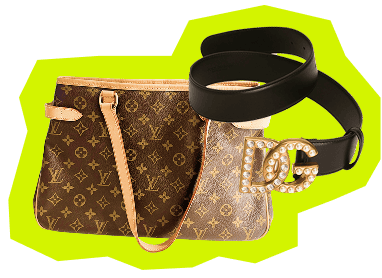
ブランド
限定発売から高価値なコラボレーションまで、世界で最も人気のあるブランド を本物かどうか見極めます。
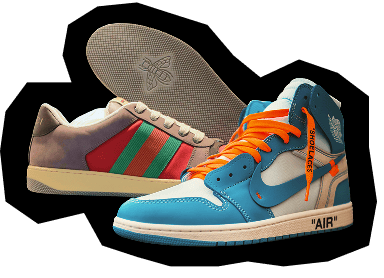
フットウェア
フットウェア 熱狂する本物のアイテムを厳選し、新たなブランドのラインナップも絶えず拡大しています。
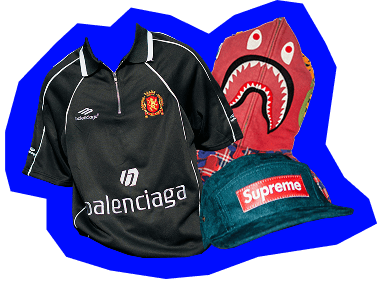
アパレル
鑑定において特にリスクの高いカテゴリーであるアパレルにも、その課題に対応するために設計された技術で安心を。

デジタル指紋技術
返品された商品が購入時の商品と同一であることを確認するための、お客様にとって分かりやすい方法です。
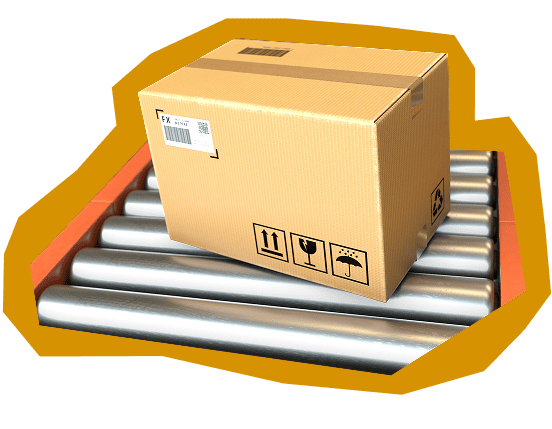
サプライチェーン保護
サプライチェーンのあらゆる接点において、目に見えないトレーサビリティの構築をお手伝いします。
全体の総額
ブランド、フットウェア、アパレル
当社のAI 、業界トップクラスの鑑定 AI 。偽物に関しては、「ほぼ本物」では不十分です。
平均鑑定 。全鑑定 の95%は、1分以内に確認鑑定 。
最もAI学習させるための参照画像です。当社の誤認識率は0.14%未満です。
今年はブランド 鑑定33%増加しました。リセール における信頼への需要はますます高まっています。
100%
金融
保証
鑑定 確立することは一つのことです。しかし、その結果ごとに実際のお金を賭けることはまた別の話です。
まさにそれが私たちの使命です。すべての鑑定100%金銭補償 、正確さを絶対条件としています。誤った判断は単なるミスではありません。それは補償金の支払いにつながるのです。
レポート のデータは、その基準レポート 。保証の真価は、それが試される瞬間にこそ発揮されます。ここでは、当社の保証が試された2つの事例と、その後どうなったかをご紹介します。
#1 本物
本物 Every Measure,
Except One』
鑑定 、孤立した存在鑑定 。標準化団体、地域市場、業界団体は、それぞれ独自の枠組みを持っています。時には、それらの見解が一致しないこともあります。
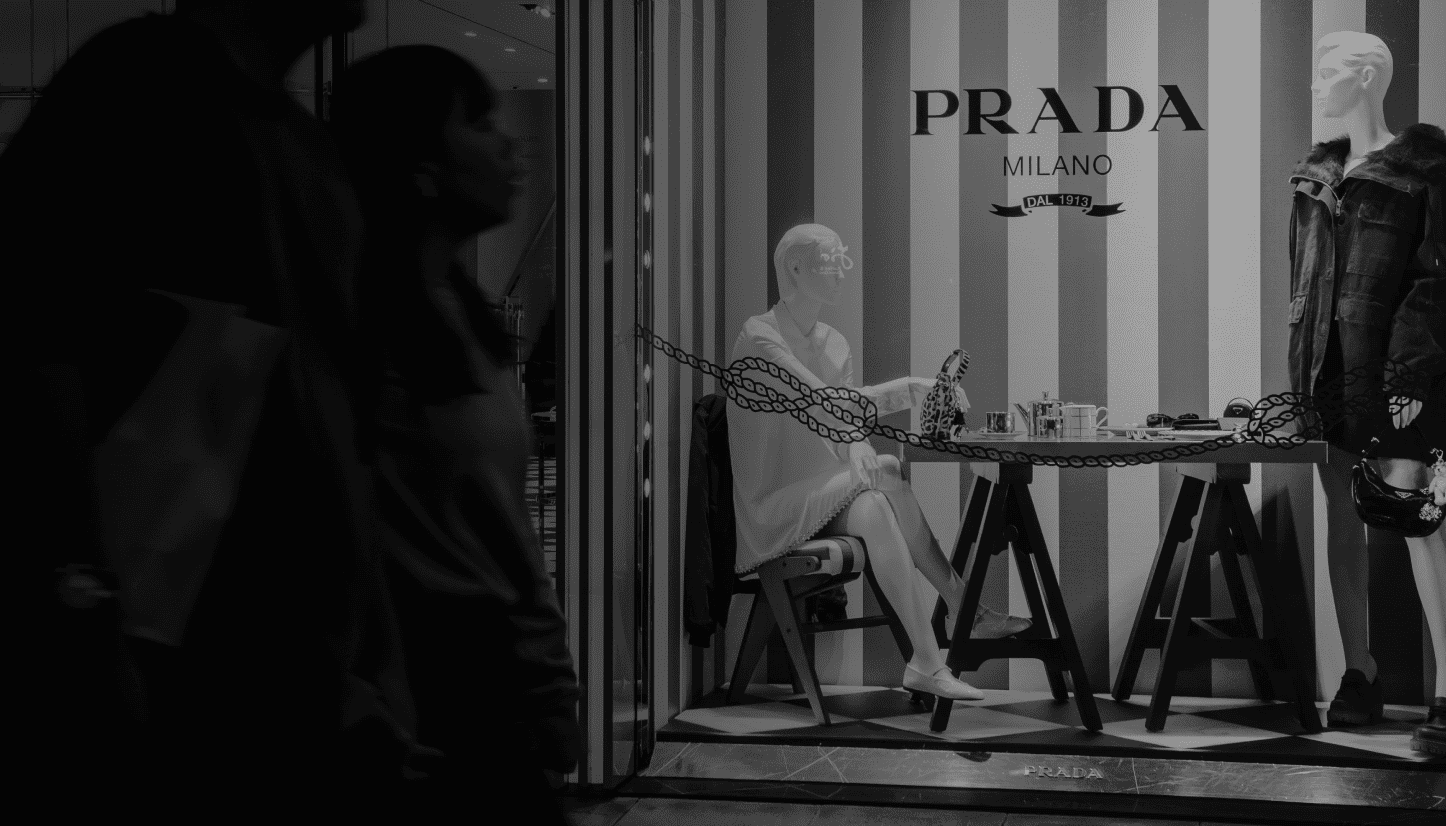
最近の異議申立ての一例として、日本のお客様がPradaの商品をレビューのために提出されました。Entrupyの鑑定チームは当該商品を真正品と判定し、独立した第三者鑑定機関も同様に真正品と判定しました。しかし、日本市場における自主基準団体である日本流通自主管理協会(略称:AACD)は、同協会の基準に基づき、当該商品を「基準外」と分類しました。
私たちは請求額を支払いました。即座にです。交渉も、抵抗もありませんでした。
その商品は本物である可能性が高いです。私たちはその評価に自信を持っています。しかし、私たちの保証は、異議申し立てに勝つことにかかっているわけではありません。それは、お客様が私たちを信頼してくださることに基づいています。
その信頼が揺らぐようなことがあれば、私たちは常に、お客様にとって最善の形で解決いたします。
#2『
』の輝きがすべて『
』の真髄とは限らない
偽造の手口は進化しています。今日、脅威となるのは必ずしも偽物とは限らず、時には本物であっても、はるかに高価な品物に見せかけるために改変されたものもあります。
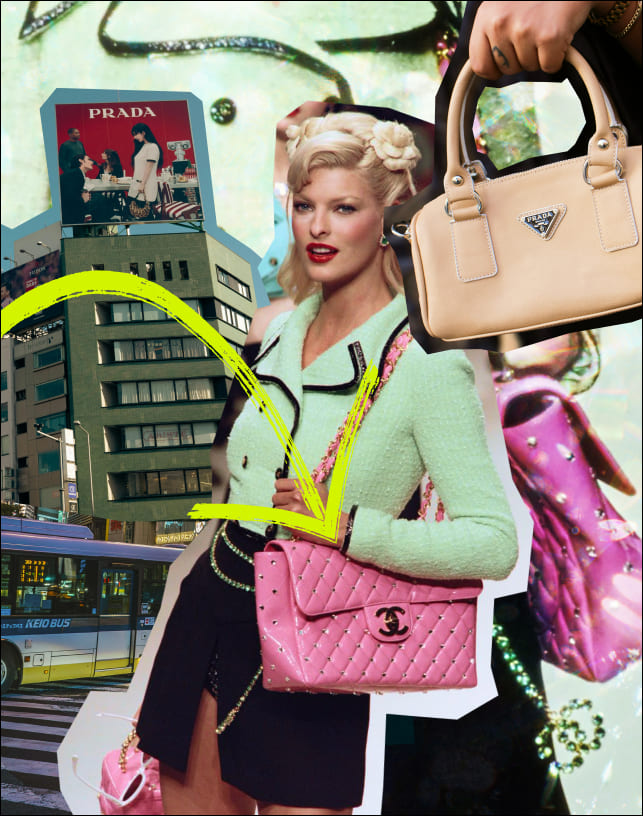
あるお客様が、ヴィンテージ市場で非常に高値で取引されている、極めて希Chanel バービー」ランウェイハンドバッグと思われる品を手に入れました。このバッグは、Chanel正規品であることが確認されました。
見落とされていた点があります。バッグを飾っていたクリスタルは、希少なランウェイ版を再現するために特別に追加されたアフターマーケットの装飾品でした。バッグ自体は本物でしたが、その価値に関する主張は事実ではありませんでした。
私たちは、そのバッグの適正市場価格のほぼ2倍の金額を支払いました。これは、お客様が支払った金額と実際に受け取った商品との差額を補填するためです。
このような事例があるからこそ、保証制度が存在するのです。単に明らかな偽物から守るためだけでなく、鑑定 意義を全うするという責任を果たすためでもあります。
#3 シリアル番号が一致しませんでした。それでも支払いました。
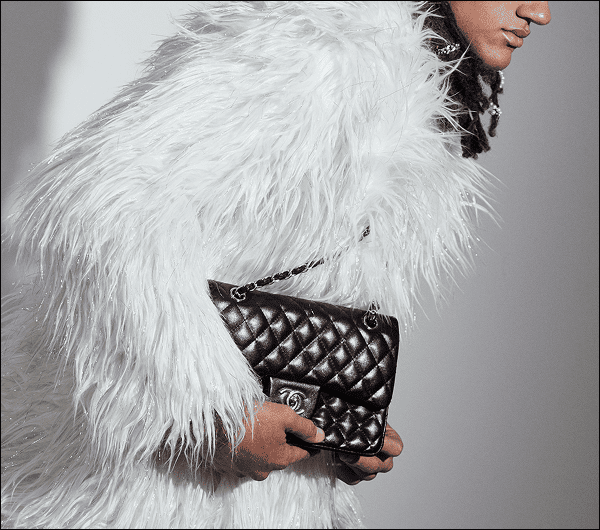
ある販売業者がChanel バッグを出品しました。Entrupy 本物であることをEntrupy 。このバッグは6,400ユーロで落札されました。
数ヶ月後、鍵の修理のためにいつものブティックを訪れたところ、思いがけない事実が判明しました。Chanelシステムに登録されていたシリアルナンバーは、まったく別の商品のものであったのです。
お客様が戻ってこられました。販売代理店が全額返金しました。その後、お客様は当社に連絡をくださいました。
私たちはそのバッグの真贋を確認していました。そのため、解決すべき問題は私たちにあり、彼らにはなかったのです。
当社の保証は、常に正しい判断を下すことにかかっているわけではありません。結果に疑問が呈された際に、私たちがどう対応するかにかかっているのです。販売代理店は当社の結果を信頼しました。そして、その顧客は販売代理店を信頼しました。この信頼の連鎖こそが、まさに当社の保証が守ろうとしているものなのです。
保険金を支払いました。交渉もなく、異議もありませんでした。
セラーズ・エッジ
情報源はひとつ。判断基準もひとつ。
このレポートに記載されるすべての価格情報は、Entrupyの価格参考ツールであるMarketEdgeから直接取得されています。

お持ちの品物の価値

市場における位置づけ

どのような状態ですか
のマーケットプレイス出品ページに直接掲載することも可能です。
ブランド
Entrupy 、高度なAI 膨大な参照画像データベースを活用し、ブランド 真贋をEntrupy 。当社の技術は、人間の目では捉えきれない細部まで見抜くことができます。
私たちは、世界をリードするブランド 鑑定 :



注:Entrupy 、Entrupy 掲載されているデザイナーのいずれからも後援Entrupy 、また提携関係Entrupy 。Entrupy 鑑定 、Entrupy検出アルゴリズムのみに基づいており、そのデータベースはEntrupy 掲載されているデザイナーから提供されたデータに基づくものではありません。Entrupy アプリケーションに掲載されているデザイナーは、Entrupy鑑定結果について一切の責任を負わず、またそれに拘束されることもありません。また、Entrupy発行する真正性証明書を承認しない場合があります。
合計鑑定
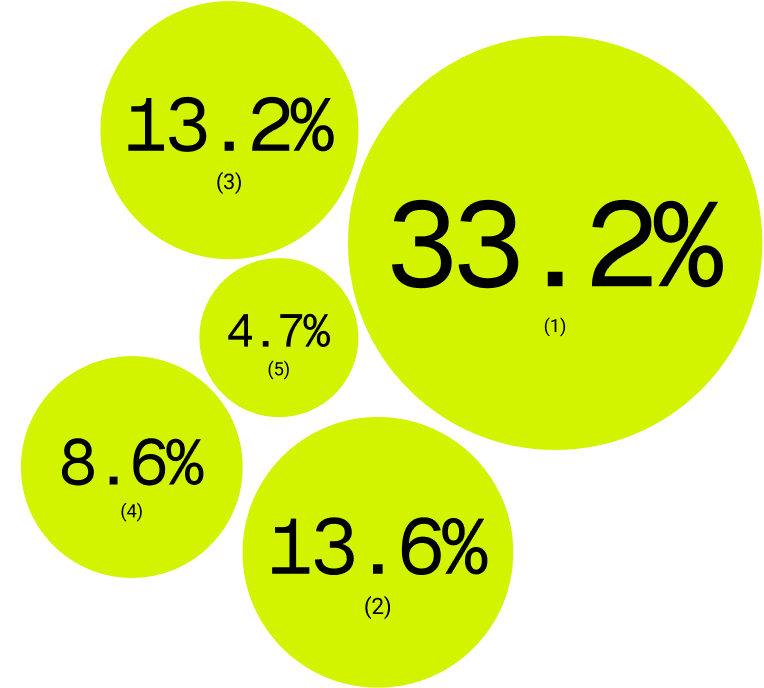
高級ブランド
最も多くの
鑑定
Entrupy へのEntrupy 総数による。
| ブランド | 体積% | 合計金額 |
|---|---|---|
| 1)Louis Vuitton | 33.2% | $856.98M |
| 2)Gucci | 13.6% | $236.48M |
| 3)Chanel | 13.19% | $958.55M |
| 4)Prada | 8.62% | $128.13M |
| 5)Dior | 4.68% | $221.41M |
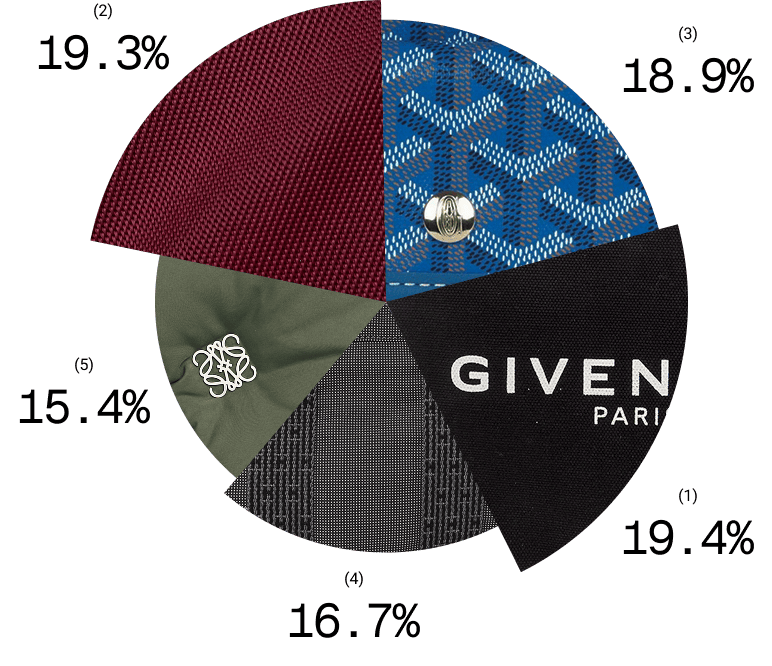
で最もよく偽造される素材トップ5
これは数量の問題ではありません。確率の問題なのです。
どの素材が最も頻繁に偽物と判明したのでしょうか?
それが今回のランキングの基準です。
| ブランド | 素材 |
|---|---|
| 1)Givenchy | キャンバス |
| 2)Prada | ナイロン |
| 3)Goyard | ゴヤールディン・キャンバス |
| 4)Hermès | ハーライン・キャンバス |
| 5)Loewe | ナイロン |
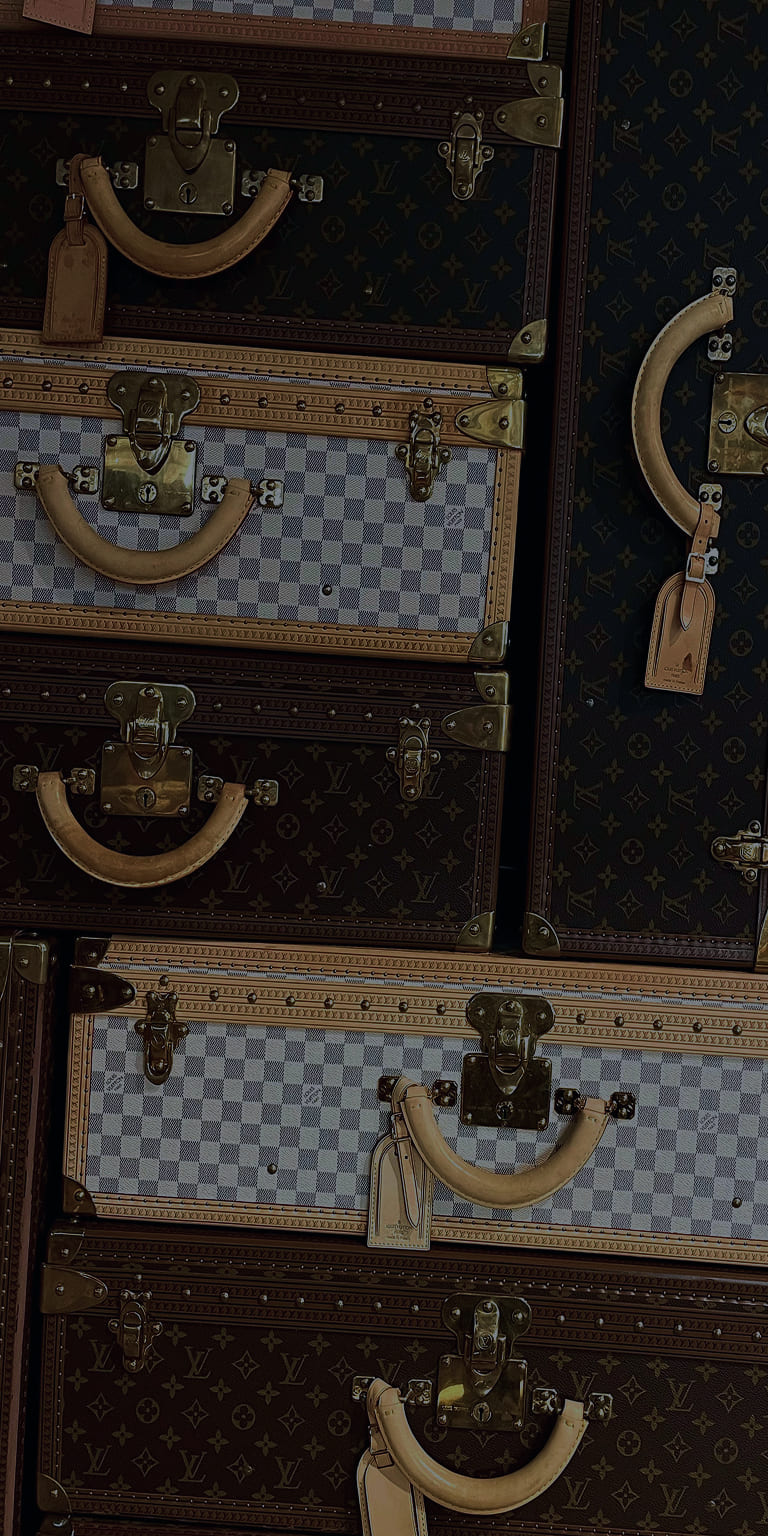
の偽物のほとんどは、
のブランドを模倣したものです
このデータは、「未特定」として提出された商品の総数を示しており、偽造品の総数が最も多いブランドを明らかにしています。
ルイ・ヴィトン
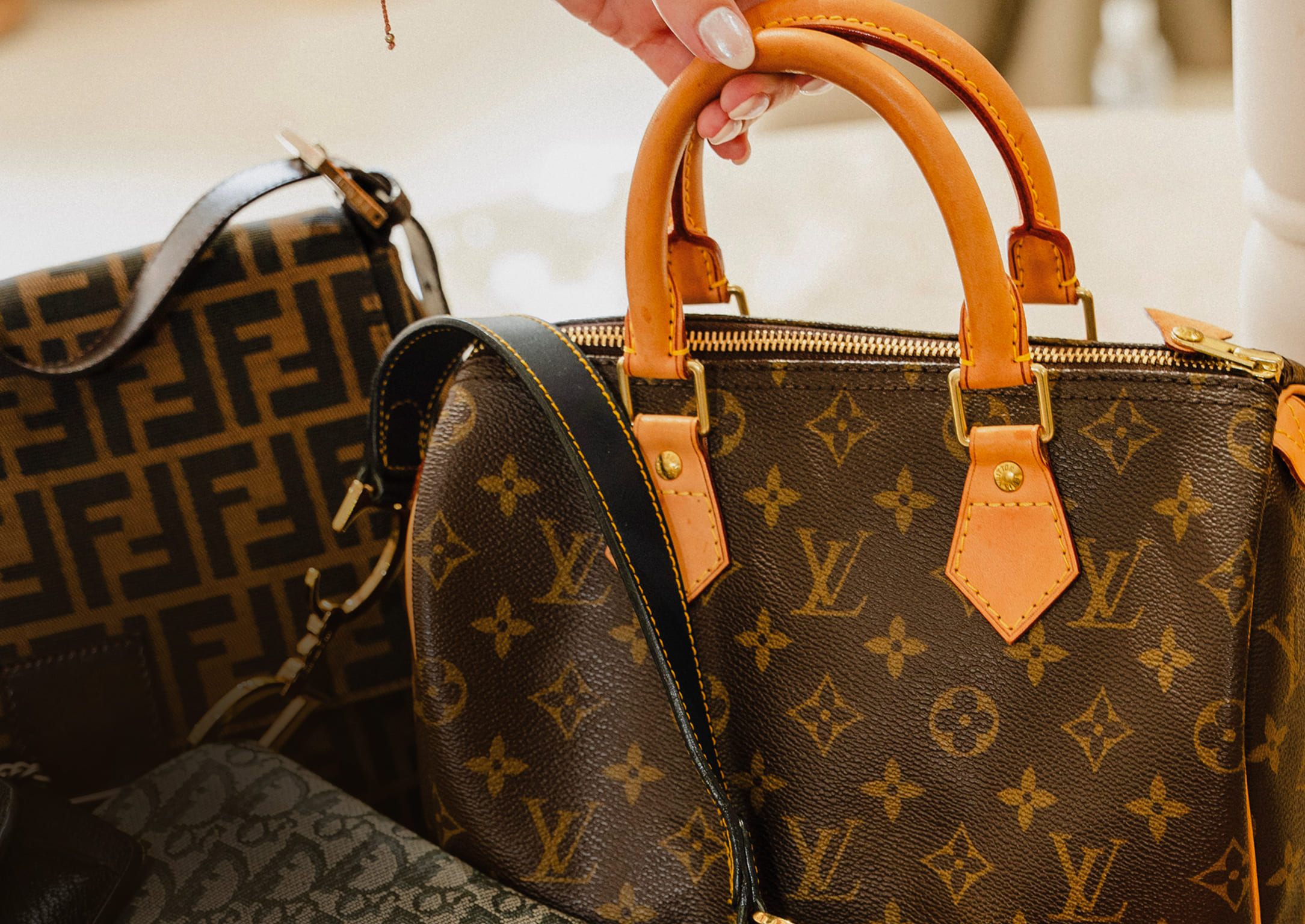
Louis Vuitton 、Entrupy ブランド 品の全Entrupy のうち、33.14% Louis Vuitton 。
Gucci
2025年には、総額17,841,197ドル相当のGucci 偽物Gucci 、真贋鑑定Entrupy 提出されました。
Prada
ブランド Entrupy 総数に占めるPrada 割合は9.38% Prada 。
Chanel
Entrupy でスキャンされたChanel 全体のうち、5.8%が「未確認」と判定Entrupy 。
Dior
Dior 、Entrupy 総Entrupy わずか4.68%を占めるに過ぎないにもかかわらず、偽造品が最も多いブランドトップ5にDior 。
「ブランド 」は現在、価格ではなく用途に応じて「
」に分類ブランド 。
スケール・リーダーズ
- Louis Vuitton
- Chanel
ハイリスク対象
- Goyard
- Prada
安定版Core
- Dior
- Saint Laurent
クラフト重視
- Bottega Veneta
- Hermès
トップ5
最もリスクの高いブランド
このデータは、「未確認」とされた投稿の割合を示しており、偽物のリスクが相対的に最も高いブランドを浮き彫りにしています。
Loewe
Loewe 昨年の「最もリスクの高いブランド」ランキングで首位にLoewe 。しかし今年はそうではありませんでした。これは、市場での認知度が高まったことや、鑑定 が増加したこと、そして偽造業者がより狙いやすいターゲットへと目を向けたことが要因と考えられます。
これは、偽物の世界が流動的であることを改めて思い知らせてくれます。あるブランドの偽物が手に入りにくくなると、別のブランドが新たな注目を集めるようになるのです。
| ブランド | 偽物の割合 |
|---|---|
| 1)Goyard | 18.92% |
| 2)Prada | 13.10% |
| 3)Saint Laurent | 10.50% |
| 4)Dior | 8.97% |
| 5)Louis Vuitton | 8.30% |
取引高の1%、
の過大なリスク
Goyard 独自のルールをGoyard 。限定的な販売網、意図的に醸し出される神秘性、そして一目でそれとわかる柄は、偽造業者にとって絶好の環境を作り出しています。つまり、需要が高く、low 、そして「希少性」に喜んでお金を払う顧客層が存在するのです。
その結果は? 当社が調査対象としているブランドの中で、最も高い偽物率でした。
Chanel
最も価値あるもの。
最も大切に守られるもの。
以下の文に修正してください: Chanel 、市場において最もリスクの高いブランドの一つと広くChanel 、世界的に見ても最も偽造品が多いブランドの一つに数えられています。しかし、当社のデータセットからは、異なる傾向が浮かび上がってきます。High 、厳格な小売管理、限定的な流通網が、より強力な鑑定 を生み出しており、その結果、そのリスクプロファイルが示唆するよりも未鑑定率が低くなっています。偽造品 High 、管理体制はより強固です。
スキャンされた総額において、Entrupyデータでは全ブランド中最高を記録しています。
5.7%の未特定率です。偽造品 予想される数値よりも低いものです。
Louis Vuitton
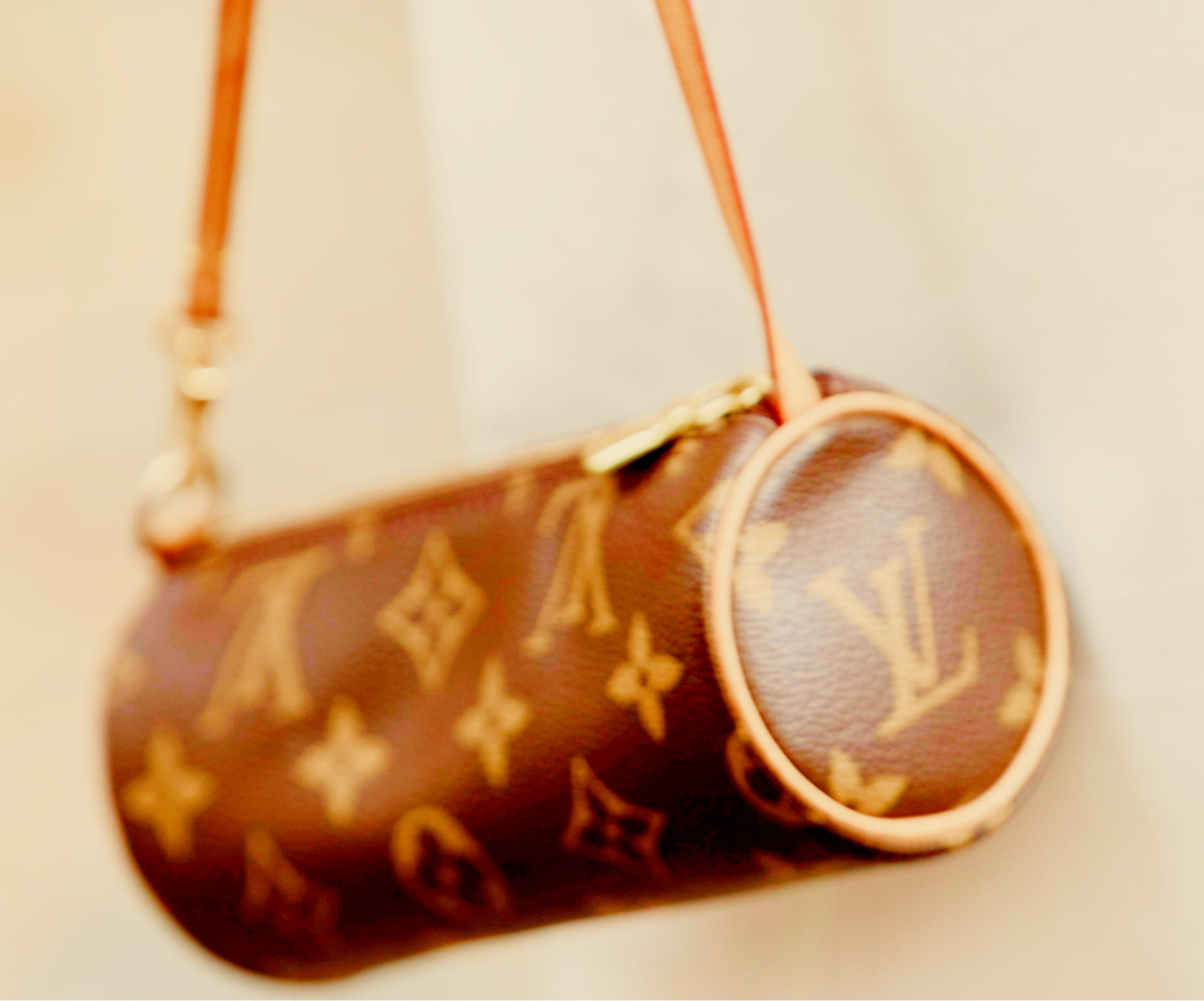
Louis Vuitton 熱狂は、130年経った今もほとんど変わっていません。オードリー・ヘプバーンやジェーン・フォンダから、リアーナやリサに至るまで、その人気はロゴマニアの流行を乗り越え、ミニマリズムの時代をも生き抜き、Y2Kブームのノスタルジアに乗って再び脚光を浴びています。
このモノグラムは、過去30年間で最も影響力のあるクリエイターたちの手に委ねられてきましたが、そのたびに紛れもなく「それ」そのものとして戻ってきました。文化を吸収しつつも、それに飲み込まれることはありません。
Louis Vuitton 世界で最も多く正規品と認定されているブランドLouis Vuitton 、1位と2位の差は圧倒的です。2025年、Louis Vuitton 正規品Louis Vuitton 2位のGucci2倍以上Louis Vuitton 、前年比で35%増加しました。
偽造品の数量で言えば、Louis Vuittonモノグラム・キャンバスに匹敵するものはありません。当社の技術により、3,700万ドル相当の偽造品が検出されました。これは、当社が追跡している素材の中で最も高い数値です。
24時間サポートがなぜ重要なのか
規模がすべてを左右します。Goyard 約18.9%)などのブランドと比べると偽造率は比較的低いものの、Louis Vuitton販売数量の多さゆえに、市場において最も大きな偽造品 を抱えているのです。
その販売量を支えている需要は、今後も衰えることはありません。ルイ・ヴィトンのモノグラムバッグは、購入時のリセール 80~90%を維持しており、ネバーフルの価値は2007年以降、3倍以上に高まっています。
スキャンされた総額
項目について、特定できない結果が得られました
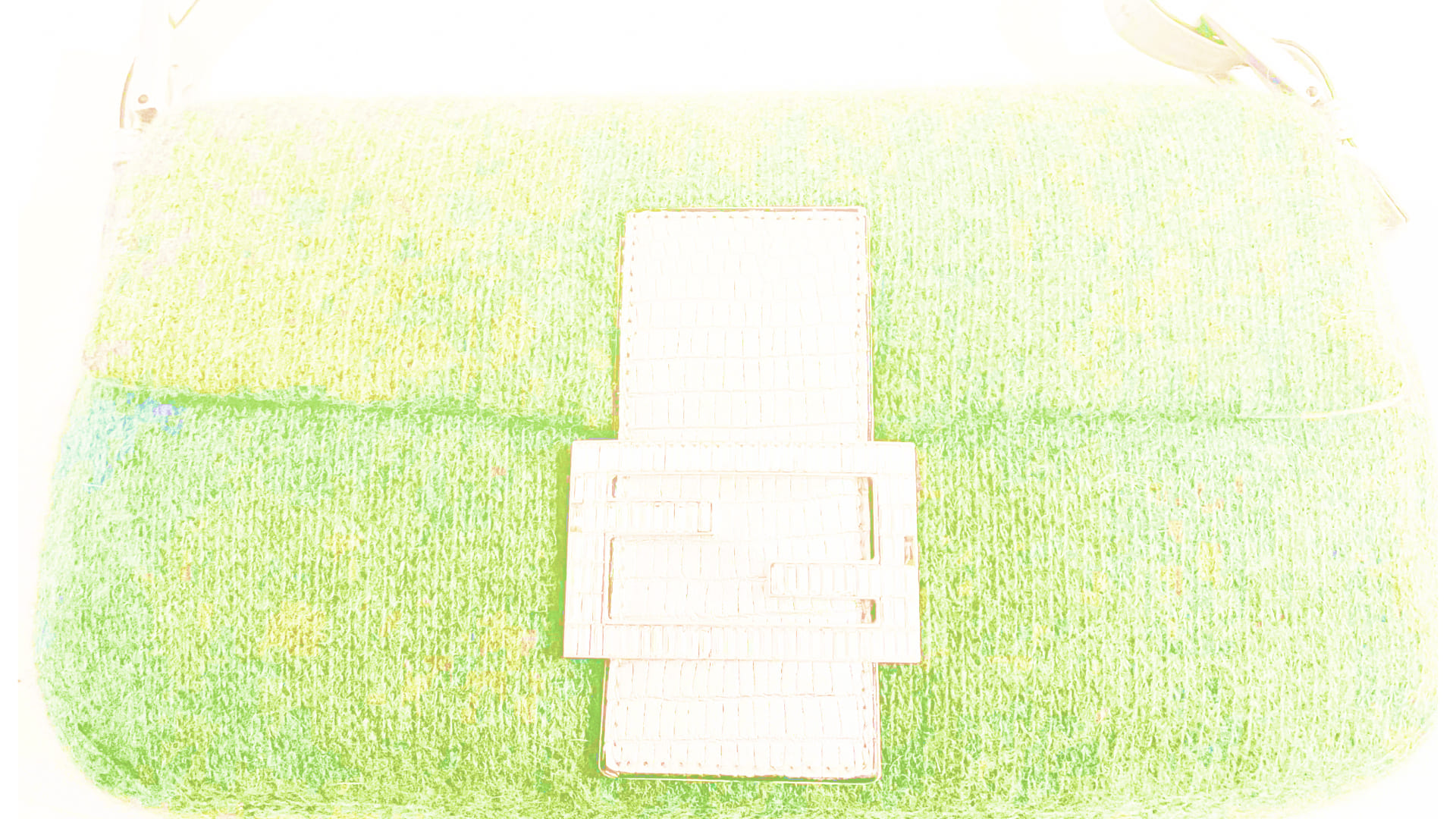
で注目を集めているブランド
注目すべき新興ブランドを見つけるため、私たちは総数だけでなく、成長率に注目しました。これにより、何千件もの認証実績を持つLouis Vuittonようなブランドと、需要が急増しているブランドとの間で、公平な比較が可能になります。
Quietブランド
Stealth Wealth
メイクの美学からファッションまで……そしてもちろん、バッグも。2025年は「クワイエットブランド 「ステルス・ウェルス」といったトレンドが主流となりました。こうしたトレンドに乗ったバッグが人気を集めているのも、当然のことでしょう。
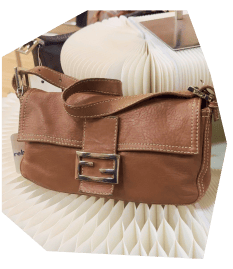
Fendi
バゲットバッグの文化的な再評価やコラボレーションが追い風となり、Fendi 再び注目Fendi 。
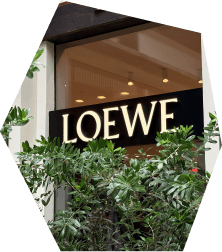
Loewe
J.W.アンダーソンLoewe ディレクターに就任したのは、文化的な面でも大きな出来Loewe 「パズル・ピース」のようなバッグは、リセール 博し、その価値を維持しています。
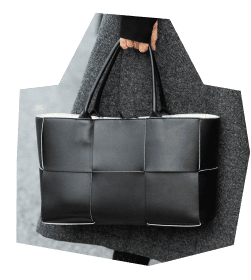
Bottega Veneta
控えめでありながら、一目でそれと分かり、決して見過ごせない存在です。ロゴなど必要ありません。その卓越した職人技が、それ自体で全てを物語っているのです。
Celine
クリエイティブ・ディレクターのフィービー・フィロが自身のブランドで復帰し、ファッション愛好家たちはフィービー時代のバッグやアーカイブ作品を求め、探し回るようになりました。
トップ3
の認定品の中で最も高価なもの
価格が高ければ高いほど、リスクも大きくなります。『ブランド』の世界では、たった1つの偽物が、数十万ドルの損失につながることもあります。
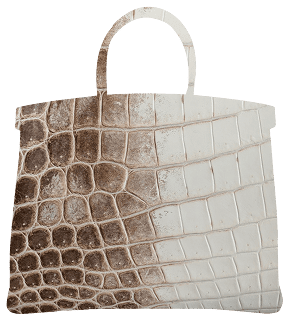
Hermès
エキゾチック
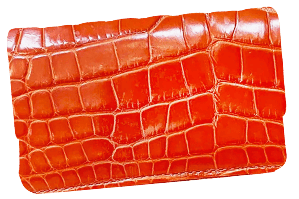
Chanel
フラップ エキゾチック
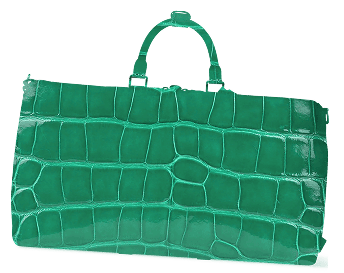
Louis Vuitton
キーポール エキゾチック
地域特集:
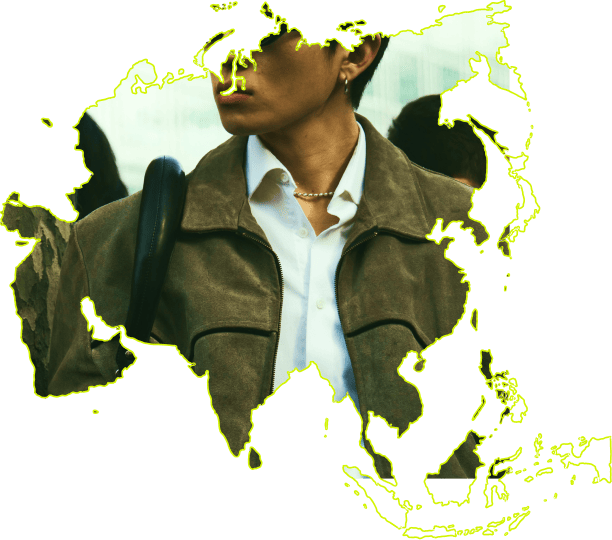
アジア太平洋
最大の市場が最もリスクが高いわけではありません。まったくそうではありません。
鑑定向け鑑定
APAC地域の7.5%という未確認率は、世界最低水準ですが、これは偶然ではありません。同地域は鑑定 多額の投資を行っており、世界で最も成熟したリセール の一つを構築してきました。これら両者が相まって、偽造品の流入を防いでいるのです。
これに対し、米州ではどうでしょうか。取引量は少ないものの、リスクは高く、約8.8%となっています。この差が物語っているように、強固なインフラは規模の大きさよりも常に勝るのです。
Prada 「
」問題の動向
Prada 未特定率は約14.6%で、地域平均を上Prada 。その理由は構造的なものです。
ナイロン製のバッグは、革製品よりも模倣されやすいものです。Pradaの人気が急上昇するにつれ、偽造業者もそれに追随しています。
地域別の
の内訳

アジア太平洋

アメリカ合衆国

ヨーロッパ・中東
リスクシグナル
(国別)
 9.4%
9.4%アメリカ合衆国
 3.0%
3.0%中国
 7.3%
7.3%日本
 7.4%
7.4%台湾
フットウェア
Entrupy 、急成長を遂げているハイリスクなリセール に信頼と安心をもたらすため、他に類を見ないフットウェア 鑑定 Entrupy 。
。
私たちは、世界をリードするフットウェア 鑑定 :

注:Entrupy 、Entrupy 掲載されているデザイナーのいずれからも後援Entrupy 、また提携関係Entrupy 。Entrupy 鑑定 、Entrupy検出アルゴリズムのみに基づいており、そのデータベースはEntrupy 掲載されているデザイナーから提供されたデータに基づくものではありません。Entrupy アプリケーションに掲載されているデザイナーは、Entrupy鑑定結果について一切の責任を負わず、またそれに拘束されることもありません。また、Entrupy発行する真正性証明書を承認しない場合があります。
フットウェアの進化
偽物
ブランド 最も注目を集めていますが、実際にはフットウェア 偽物の可能性が高いフットウェア 。その違いは、偽物の割合が高い(11.06%対約8%)一方で、関わる金額は少ないという点にあります。

フットウェアの分野では、Nike あらゆる面でNike 。
| ブランド | 体積% |
|---|---|
| 1)Nike | 80.5% |
| 2)Adidas | 8.5% |
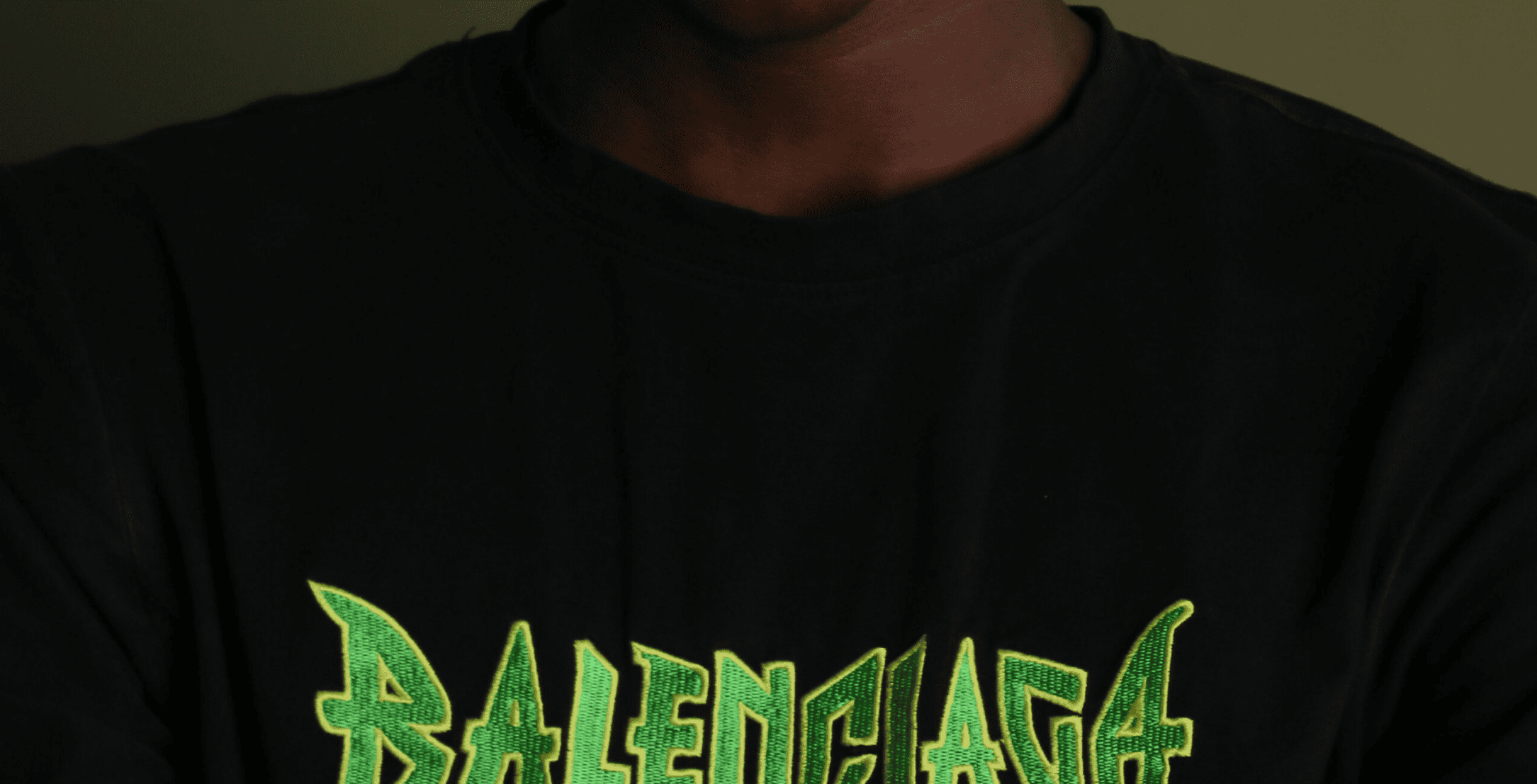
| 3)Balenciaga | 2.2% |
| 4)Gucci | 1.6% |
| 5)Alexander McQueen | 1.4% |
販売数量別 フットウェアブランド
スニーカー市場は、勝者が大半を占める市場です。
Nike 、Nike 同様に蔓延しています。
最も閲覧されたスタイル
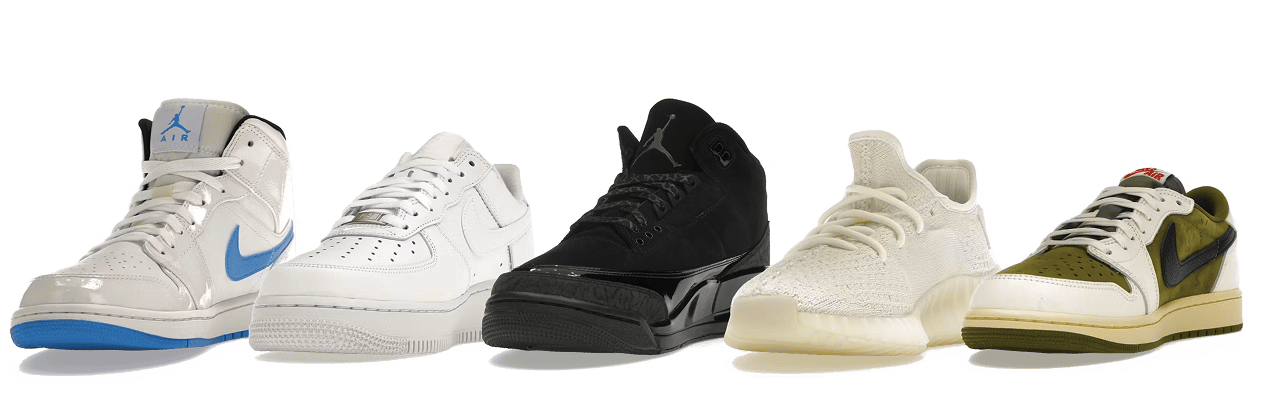
- 01 Jordan レトロ「コロンビア/レジェンドブルー」
- 02 エアフォース 1Low ホワイト (KAWS)
- 03 Jordan レトロ「ブラック・キャット」
- 04 Yeezy 350 V2 ボーン
- 05 Travis Scott Jordan Low 「オリーブ」
最もリスクの高い
ブランド
このデータは、「未確認」とされた投稿の割合を示しており、偽物のリスクが相対的に最も高いブランドを浮き彫りにしています。
ブランド 、その市場規模の割に偽造リスクが高い傾向にあります。ルイ・ヴィトン、Dior、Balenciaga 販売数量ではトップクラスBalenciaga 、市場において最も高い偽造率を記録しているブランドの一部となっています。
その背景には「憧れによる需要」があります。つまり、本物ではなく、そのロゴを求めている消費者たちです。
| ブランド | 偽陽性率 |
|---|---|
| 1)Louis Vuitton | 54.1% |
| 2)Dior | 42.5% |
| 3)Balenciaga | 36.2% |
| 4)Christian Louboutin | 27.9% |
| 5)Alexander McQueen | 19.2% |
トップ3
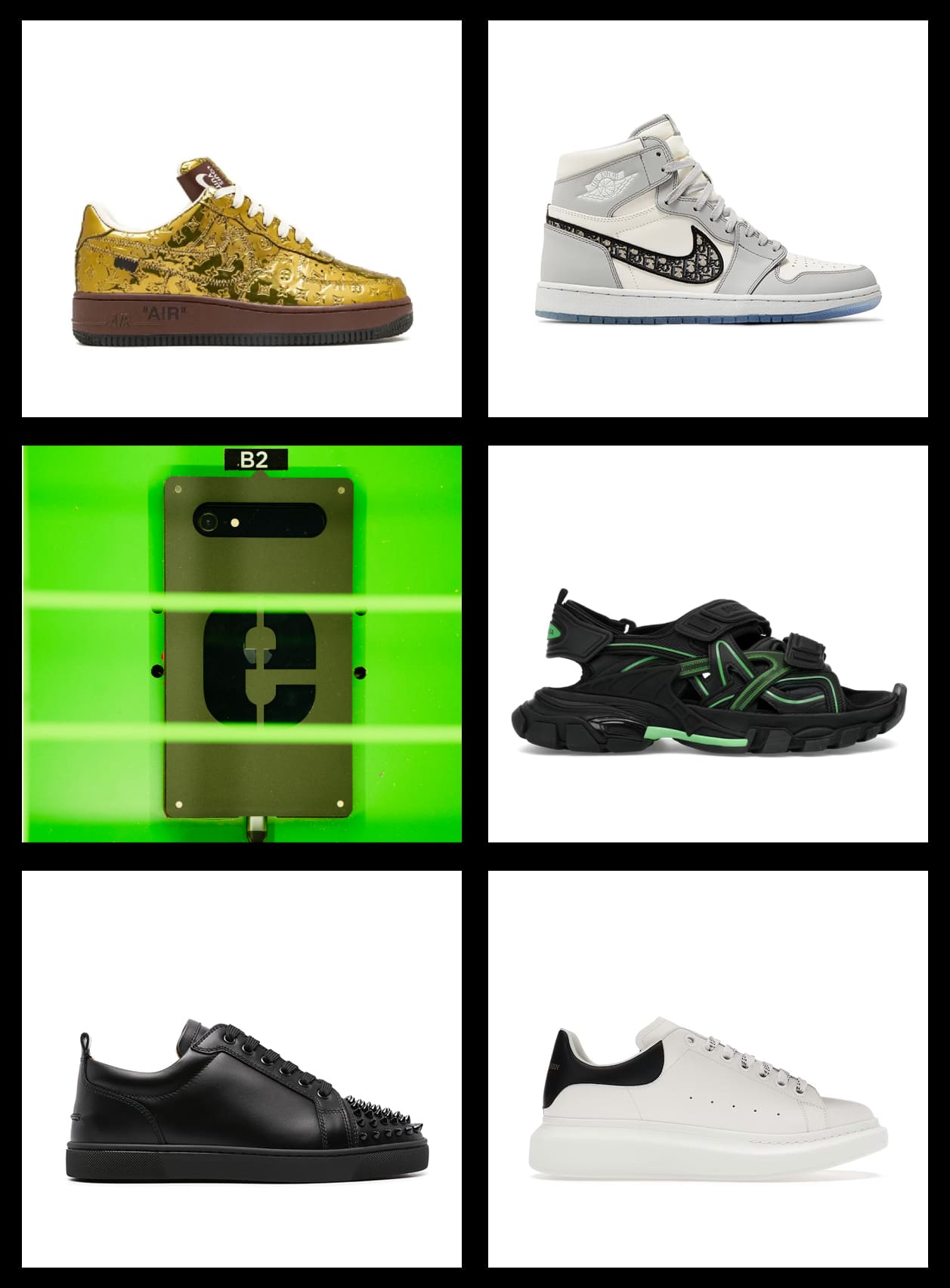
最も高価なフットウェア
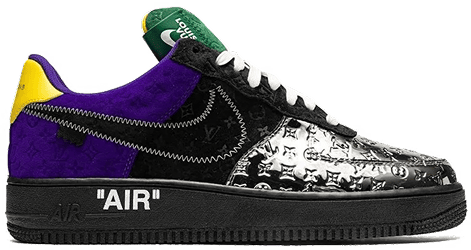
Louis Vuitton ×Nike フォース 1Low「
」『ブラック メタリック シルバー』
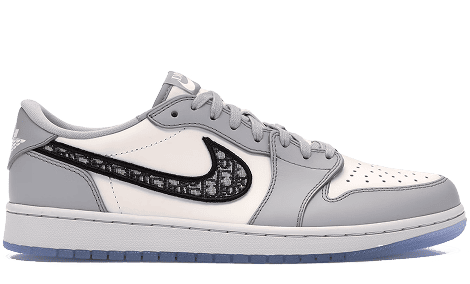
Jordan 1 Retro High Dior
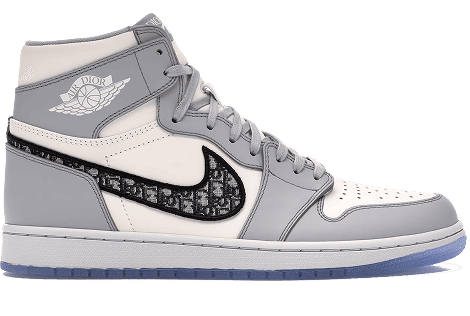
Jordan 1 Retro High Dior
地域別「本物
フットウェア 、圧倒的に米国主導の市場フットウェア 。
アメリカズ
価値シェア
ヨーロッパおよび
中東
価値シェア
アジア・
・太平洋
価値シェア
取引高上位の国・地域



国別のリスクシグナル
地理的な要因によって、2つの異なる実態が浮かび上がります。流通量では米国がトップですが、アジア太平洋地域(APAC)や小規模市場では偽造品の割合が高く、流通している商品のうち偽造品の占める割合がより大きいという状況が見られます。同じ問題でも、その現れ方は異なるのです。



アパレル
アパレルリセール市場はリセール 活況を呈しており、それに便乗しようとする偽物の氾濫も同様に激化しています。消費者の信頼へのニーズがかつてないほど高まっている今、鑑定 がこの分野鑑定 、これほど重要な時期はありません。
当社は、世界をリードするアパレル 鑑定 :

注:注:Entrupy 、Entrupy 掲載されているデザイナーのいずれからも後援Entrupy 、また提携関係にもEntrupy 。Entrupy 鑑定 、Entrupy検出アルゴリズムのみに基づいており、そのデータベースはEntrupy 掲載されているデザイナーから提供されたデータに基づいたものではありません。Entrupy アプリケーションに掲載されているデザイナーは、Entrupy鑑定結果について一切の責任を負わず、またそれに拘束されることもありません。また、Entrupy発行する真正性証明書を承認しない場合があります。
アパレル 、「
」の偽物問題がアパレル 。
3点に1点以上が未確認です。
断然、最もリスクの高いカテゴリーです。
合計鑑定
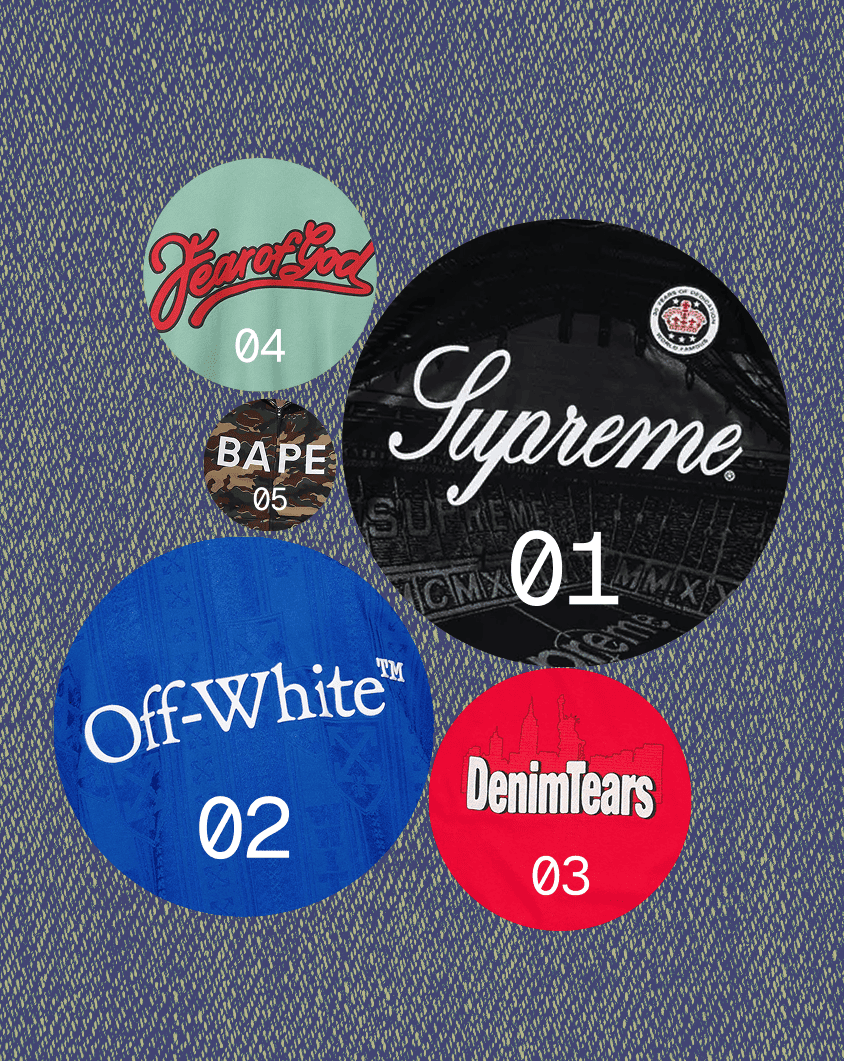
による売上高・売上高上位ブランド
どのブランドが最も多く鑑定されているのか、そしてそこから市場の真の価値がどこにあるのかが読み取れます。
| 01 | Supreme |
| 02 | Off-White |
| 03 | Denim Tears |
| 04 | 神への畏敬 |
| 05 | BAPE |
最も信頼されているブランド
Supreme Off-White 、販売数量に対する偽造品の割合Off-White 最もOff-White 、リスクが最も低いブランドOff-White 。成熟したリセール 強力なブランド管理 →偽造品 低い。
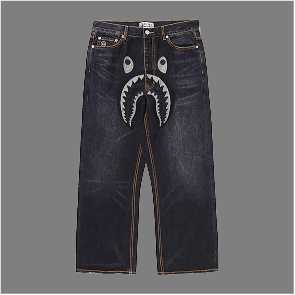
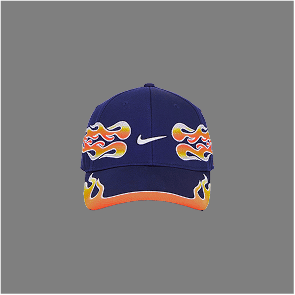
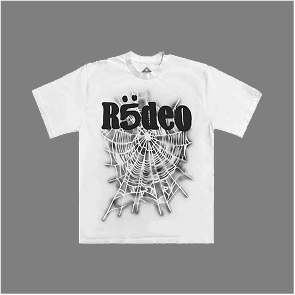
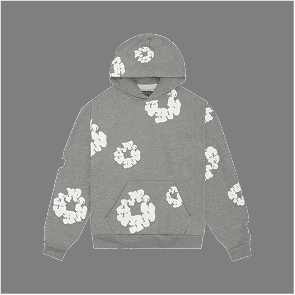
最もリスクの高いブランド
このデータは、「未確認」とされた投稿の割合を示しており、偽物のリスクが相対的に最も高いブランドを浮き彫りにしています。
販売数量と信頼性は同じものではありません。その両方で成功を収めているブランドは、往々にしてこの点を理解しているものです。Off-White 、販売数量と価値の両面でOff-White 、同カテゴリーにおいて未確認品の割合が最も低いブランドでもあります。知名度の高さから最も偽造されやすい一方で、実際には最も信頼されているブランドなのです。
真に警戒すべきは「Fear of God Essentials」です。販売数量でトップ4、販売額でもトップ4に入っています。そして、未確認品の割合は95.75%にも上ります。ほぼすべての商品が未確認品なのです。BAPEも85%、Sp5der 、同様の状況です。
| ブランド | 偽物の割合 |
|---|---|
| 1)Fear of God Essentials | 95.75% |
| 2) BAPE | 85.19% |
| 3)Nike | 73.33% |
| 4)Sp5der | 61.02% |
| 5)Denim Tears | 35.97% |
その傾向は一貫しています。
手頃な価格で需要が高く、シンプルなブランドロゴが入っており、リセール 安定しているベーシックアイテムが、最も狙い目です。
鑑定 .
リスクパターン
アパレル 、2つの明確なエコシステムアパレル :
- 確立されたリセールブランド(Off-White、Supreme) → リスクが低い
- 大衆に広く浸透しているブランド(Essentials、Sp5der、BAPE) →偽造品
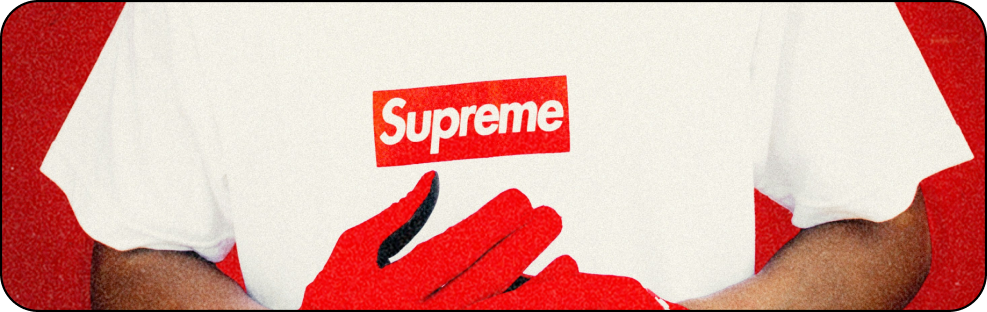
High信頼性
| Off-White | 94.49%本物 |
| Supreme | 85.03%本物 |
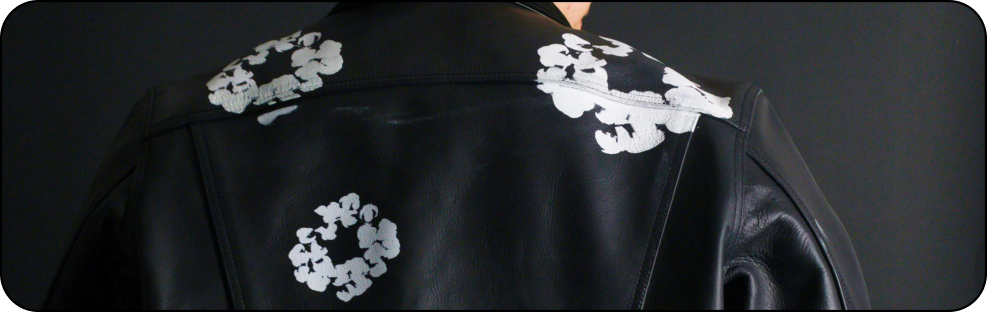
Mid
| Denim Tears | 63.64%本物 |
| Hellstar | 70.59%本物 |
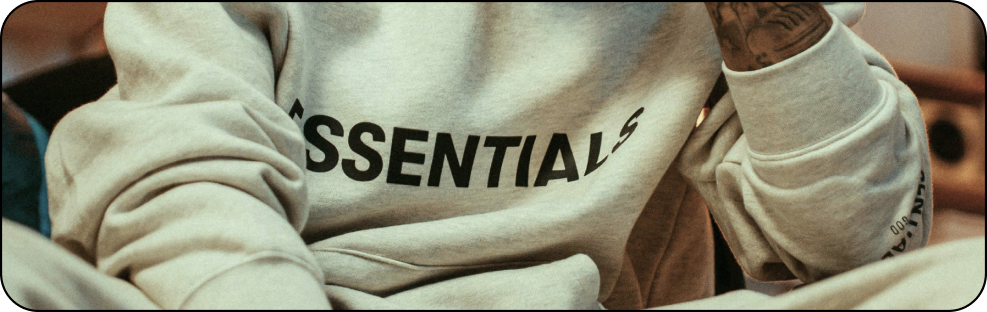
High
| Fear of God Essentials | 3.97%本物 |
| BAPE | 11.11%本物 |
| Sp5der | 35.39%本物 |
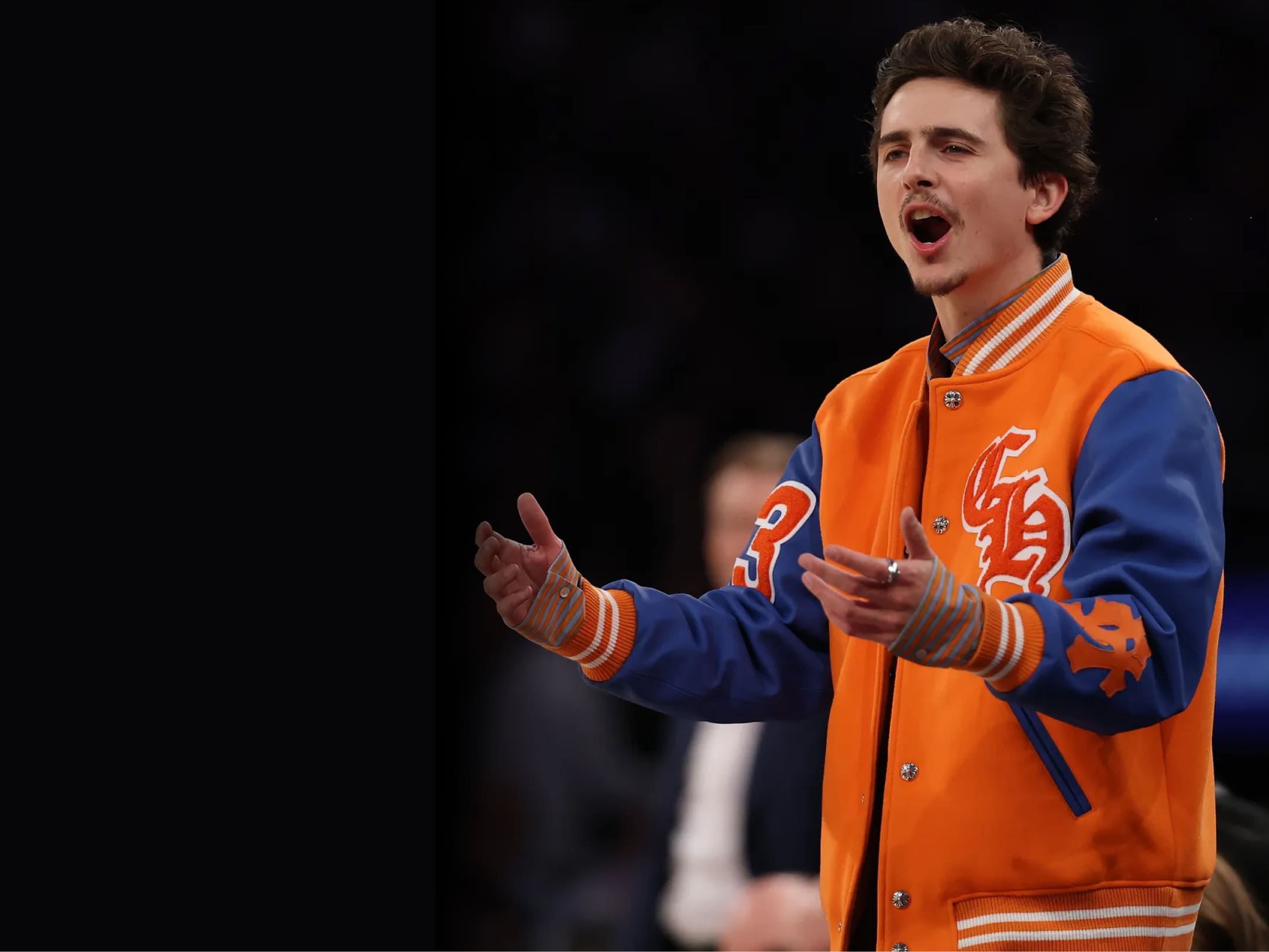
#1
アパレル の中で最も高価なアパレル
この2万ドルのバーシティジャケットは、つい最近まで5万ドル近くで取引されていました。2万ドル前後と言ったほうが適切でしょう。このバーシティジャケットは、ティモシー・シャラメがニックスの試合で1:1スケールのバージョンを披露した後、Chrome Hearts 、VIP向けに提供したものです。
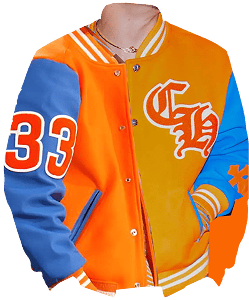
Chrome Hearts「
」バーシティジャケット
写真:ティモシー・シャラメ
画像提供:Al Bello/Getty Images
アメリカ合衆国
取引量の約99%は南北アメリカ大陸で鑑定されています。ブランド異なり、リセール 鑑定 依然として特定の地域に鑑定 。
米国の州
これら3つの州は、鑑定 最も多くのアパレル 鑑定 件数を占めており、アパレル において最も活発な市場となっています。

ニューヨーク

カンザス

アリゾナ州
アリゾナ州――「
」で最も偽物の州。
鑑定 アパレル 鑑定 に持ち込まれる商品のほぼすべてが偽物であることが判明しており、同州は国 で最もリスクの高いアパレル市場となっています。
事例研究
それらを製造する搾取された労働者から、それらを流通させるオンラインマーケットプレイス、商品を運ぶサプライチェーン、そしてその撲滅に取り組むブランドに至るまで、私たちは偽造品のライフサイクル全体を追跡しています。これが『State of the Fake〜世界の偽造品と真贋の動向~です。

予測

バークレイズ・レポート 抜粋したレポート バークレイズ・リサーチの許可を得て転載しています。
『The Business of 反撃のビジネス
リセール向けの新しいエンジンを構築しています。しかも、迅速に。
、2,000億ドルに迫る
リセール市場は2029年までに2,000億ドル規模へと拡大し、年間約14%の成長率を維持しています。利用が拡大し、ユーザー体験も向上しており、需要は国境を越えて広がっています。
市場は分散化が進み、管理がますます難しくなっています。
P2P POWER
ピア・ツー・ピアはリセール 市場の大部分を占めておりリセール 他のあらゆるモデルを上回るペースで成長しています。ユーザー主導のプラットフォームを通じて取引される取引量は増加しています。
「
」の難点
鑑定 依然としてcore 鑑定 。依然として時間、専門知識、そして判断力を要するため、システムの他の部分が加速しているにもかかわらず、在庫処理の進行を遅らせています。
の中古車再整備
リセール業界のビジネスモデルは変化しつつあります。プラットフォームやブランド各社は、core 再構築しています。
業務
受入、処理、出荷の各プロセスが急速に改善されています。これは、高まる需要に対応するために設計された、より効率的で、より信頼性が高く、より収益性の高いワークフローが実現していることを意味します。

ENTRUPY視点:
再販はスピードを重視して最適化されています。一方、信頼性の確保は依然として手作業のような手順で処理されています。このギャップを埋めるには、鑑定に対する新たなアプローチが求められます。
地理的に言えば……

米国の中古市場
450億ドル | 2029年までに年平均成長率(CAGR)16%
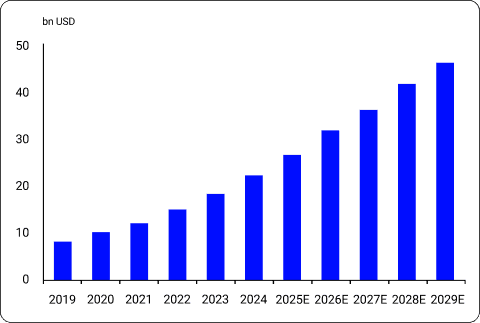
出典:バークレイズ・リサーチの推計、レポート

英国の中古市場
80億ドル | 2029年までに年平均成長率(CAGR)11%
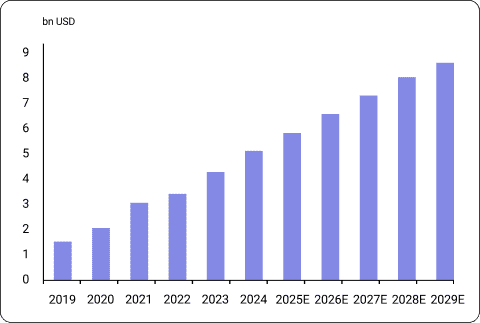
出典:バークレイズ・リサーチの推計、OC&C


チャンス
SaaSを通じて、在庫、状態、価格設定のデータを収益化します。
独自の価格設定ツールやデータを、販売可能な製品としてまとめます。
増加リセール 支えるため、検証体制を強化します。
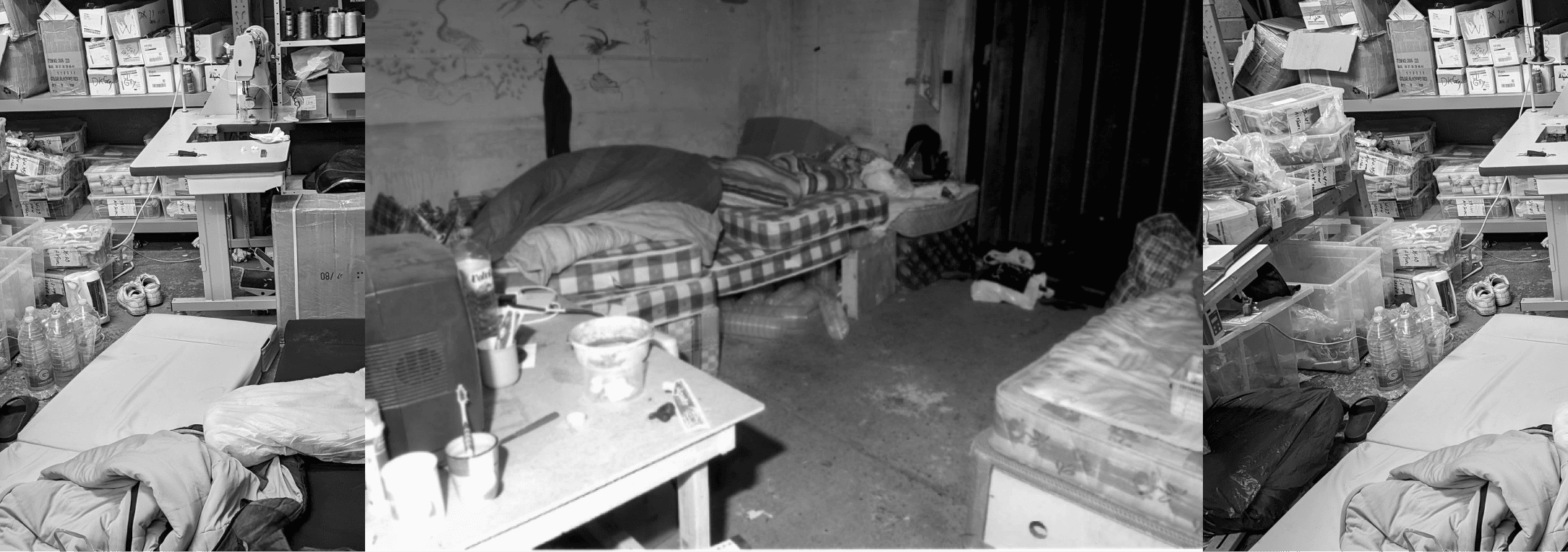
偽造品
犯罪経済の内幕

$364B
industry
これは、国際的に取引されている偽造ファッション製品の価値であり、国際的に取引されている偽造品 製品の総額の63%を占めています。(出典:The Anti-Slavery Collective)
the
fallout
偽造品による世界的な経済的・社会的コストは、7,470億~9,100億ドルに上ります(出典:The Anti-Slavery Collective)
犯罪の「
」という金のなる木
偽造品取引は、組織犯罪グループにとって最も収益性の高い収入源の第1位です。2位の麻薬取引に比べて、その収益は2倍以上にも上ります。(出典:Global Financial Integrity)

youth
、yield
違法取引に関与している可能性が高い国ほど、児童労働の割合が高くなる傾向があります。レポート (出典:OECD)

crime
compounds
偽造品 の活動が活発な国では、他の形態の組織犯罪も高水準で発生する傾向があります。(出典:OECD)
by 2030
偽造品 の商品市場における取引額は、2030年には1.79兆ドルに達すると見込まれており、これは2030年に使われる1ドルのうち20ドルに1ドルが、偽造品 の製品に費やされる可能性があることを意味します。(出典:CoinSearch)

britain's
£47B bill
Serious and organized crime (SOC) is estimated to cost the UK at least £47bn annually. (Source: UK Home Office)

net gains
現在、ほぼあらゆる形態の重大かつ組織的な犯罪には、デジタル要素が含まれています。(出典:EUROPOL)
FAKE FASHION'S DIRTY SECRET
この映画は、インフルエンサー文化やソーシャルメディアが、「偽造品 」の購入を当たり前のものにする上で果たす役割がますます大きくなっている現状を探っています。
FINDINGS
もし、偽造品といえば、カナル・ストリートに山積みになった偽物のシャネルのバッグしか思い浮かばないというのであれば、もっと広い視野で考えるべき時が来たのです。
現在、偽造品取引は組織犯罪にとって、最も収益性の高い唯一の収入源となっています。
そして、偽造は単に偽ブランド品の流通を助長するだけではありません。決してそうではありません。現在では、麻薬密売、人身売買、詐欺、マネーロンダリングなど、さまざまな犯罪に直接つながっています。
長年にわたり、私たちは人的な犠牲から距離を置くことが容易でした。今日では、その幻想を維持することは、以前よりもはるかに難しくなっています。
組織犯罪は、強制労働や搾取的な労働に依存しています。「偽造品 」での購入のたびに、その仕組みが維持されてしまいます。その購入代金は、次の労働者への強制や、次の債務奴隷制度、そして有毒な空気や危険な労働環境が当たり前の工場を運営するための資金となってしまいます。
そして、それが最大の教訓です。偽造品 の帝国は、偽物のバッグだけで成り立っているわけではありません。需要によって成り立っているのです。私たちの需要によって。